

Over the past few years, the fields of beauty and wellness have seen a notable transformation, specifically in the area of skincare and anti-aging solutions. Central to this evolution is the rising prominence of peptide compounds, little chains of amino acids that function as the building blocks of proteins within our physiques. These effective molecules are not just a passing trend; they embody a major leap forward in our comprehension of tissue repair and skin regeneration. As research delves deeper into how peptides can emulate natural processes within the body, their applications for enhancing both aesthetic and therapeutic outcomes are increasing.
Starting with speeding up wound healing to reducing scars and beyond, peptides are proving to be a crucial ally in the quest for youthful, resilient skin. The science behind these biomimetic agents reveals their potential to boost collagen production, guide nerve regeneration, and maintain overall skin architecture. With the promise of repairing not only top-layer imperfections but also addressing underlying tissue damage, peptides are steadily becoming recognised as essential components in modern skincare routines. As we investigate the future of beauty through the framework of peptides, we uncover a wealth of possibilities poised to transform not just how we care for our skin but also how we tackle healing and regeneration on a larger scale.
Protein Mechanisms and Cellular Repair
Short chains of amino acids play a crucial role in the human innate healing processes by triggering cellular communication and facilitating tissue regeneration. These short chains of amino acids function as signaling molecules, supporting various biological functions necessary for repair after injury. When tissues are injured, specific peptides can encourage the influx of growth factors and signaling proteins that start healing processes, leading to faster recovery and improved tissue quality.
Understanding how peptide chains remodel wounds is vital for developing new therapies in wound care. Research demonstrates that these molecules can influence collagen synthesis, a important structural protein in skin and other tissues. By boosting https://purepeptide.bg/ , peptides not only aid in repairing damaged tissue but also help restore skin architecture and elasticity. This capability makes them a promising option for treatments aimed at minimizing scars and improving the overall appearance of healed skin.
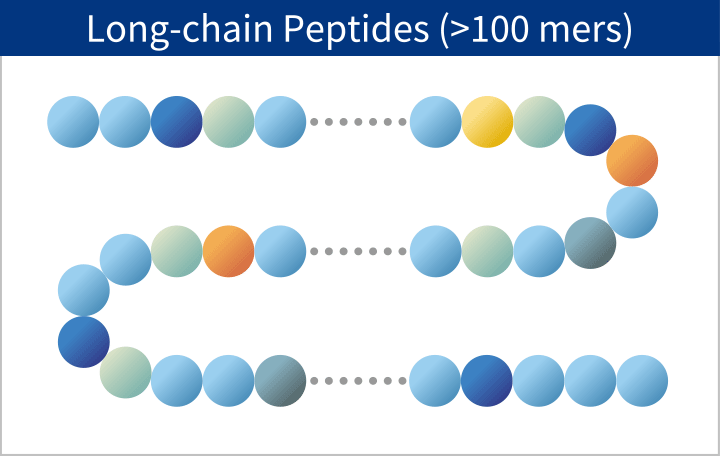
Moreover, the use of topical and systemic peptides shows their versatility beyond traditional methods. With targeted formulations, peptides can speed up wound recovery by addressing specific tissue deficiencies and encouraging localized healing. This level of personalization in peptide therapy allows for tailored approaches that cater to personal healing needs, potentially revolutionizing how we treat chronic wounds and age-related tissue degeneration.
Protein Fragments in Tissue Repair and Regeneration
Peptides play a critical role in the wound healing process, acting as cellular signals that facilitate tissue repair and regeneration. When it comes to the treatment of wounds, peptides can boost the body's own healing mechanisms by promoting the growth of cells, blood vessel formation, and production of collagen. The ability of these small amino acid chains to mimic the body's own healing signals allows for targeted treatments that accelerate recovery and minimize complications. This bio-inspired approach not only speeds up the healing process but also enhances the overall quality of healed tissues.
New developments in peptide research have revealed their potential in addressing chronic wounds and enhancing skin grafts. Biologically active peptides are proving to be crucial in these contexts, offering a new approach in wound management that goes beyond traditional wound dressing methods. By directly affecting the cellular activities involved in tissue repair, these agents can help to greatly reduce time to recovery and optimize outcomes for those with major skin wounds. This cutting-edge technique may change existing methods of skin transplantation, making regenerative treatments more efficient and accessible.
Furthermore, the regenerative power of these compounds extends past superficial skin healing. They are being investigated for their capacity to aid cartilage regeneration and promote nerve regeneration, showcasing their flexibility in treating a diverse set of injuries. As scientific inquiry advances to explore the mechanisms of peptides, their role in comprehensive recovery plans becomes increasingly critical. Integrating peptide therapies into typical wound management strategies could offer a more comprehensive solution, ultimately enhancing the durability and integrity of the body's tissues throughout the body.
Peptides Applications in Anti-Aging and Rehabilitation
Small chains of amino acids have become as key players in the cosmetic and wellness industry, particularly in the realms of age reversal and cellular regeneration. These small chains of amino acids serve as messengers that guide cells to perform essential functions, such as the creation of collagen and elastin, which are crucial for maintaining young-looking skin. As the skin gets older, the natural production of these proteins decreases, leading to the appearance of wrinkles and skin creases. Applied peptide treatments can assist stimulate collagen protein synthesis, thereby enhancing skin elasticity and texture.
In furthermore to their anti-aging benefits, peptides also have a vital role in accelerating recovery processes. For instance, targeted peptide therapies have shown potential in improving injury recovery and minimizing scar formation. By encouraging cell renewal and modulating inflammatory responses, peptides can dramatically shorten healing time for different skin injuries. This use of peptides lies outside of mere beauty treatments; it tackles the fundamental biological mechanisms of healing and tissue repair.
In addition, studies continues to investigate the wider impacts of peptides in wellness and healthcare. Areas such as articular health and nerve regeneration are attracting interest, as peptides may assist in repairing damaged cartilage or facilitating spinal cord recovery. The versatility of peptides as therapeutic agents indicates their potential not only in enhancing beauty but also in promoting overall health and resilience in the face of trauma or time. As science progresses, peptide therapy could become a cornerstone of both aesthetic and medical fields, offering new solutions for long-term renewal and healing.